
How Centralised Mould Governance Helps Compliance Teams
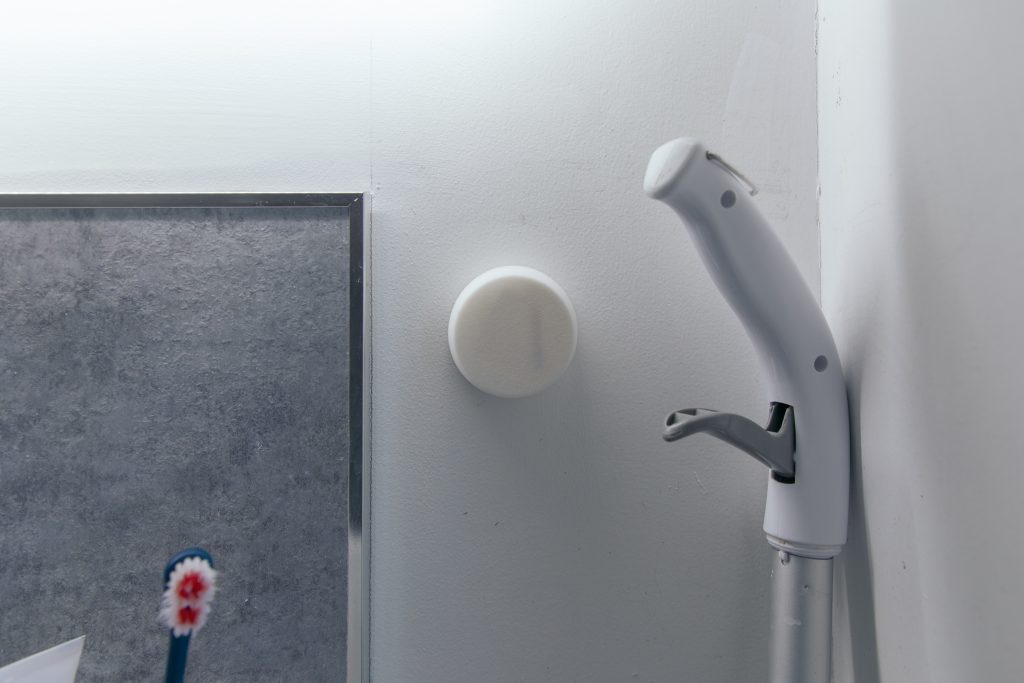
For most housing providers, mould is not a technical problem.It’s a governance problem. The underlying causes — moisture, cold surfaces, poor ventilation — are well understood. What breaks down is how information about those risks moves (or doesn’t move) across teams, systems, and time. Centralised mould governance is about fixing that. The reality today: fragmented […]
Reactive vs Predictive Mould Management: What Housing Associations Must Know

Damp and mould management in social housing has historically been reactive. A tenant reports a problem, a case is logged, an inspection is booked, and action follows once visible damage is confirmed. That approach is no longer holding up. Rising complaint volumes, tighter regulatory timelines under Awaab’s Law, and increasing scrutiny from the Housing Ombudsman […]
The Complete Guide to Awaab’s Law Compliance in 2026

Awaab’s Law represents one of the most significant shifts in landlord compliance obligations in recent UK housing policy. First brought into force in October 2025, it sets mandatory timeframes for responding to serious hazards — starting with damp and mould — and is expanding over the next two years. At the same time, wider reforms […]
Why Mould Surveys Are Too Slow: Data From the Field

Mould surveys are often treated as the first “proper” step in a damp and mould case. A tenant reports a problem, the landlord schedules a visit, someone inspects, and (sometimes) a sample is taken for analysis.The problem is that this workflow is slow by design.Damp and mould risk is time-sensitive. It escalates quietly, often behind […]
mVOC Explained: The Science of Detecting Unseen Mould

Most mould detection still relies on what people can see or smell. By the time mould is visible on a wall or ceiling, it has usually been present — and active — for weeks. This is where mVOC sensing comes in. What are mVOCs? mVOCs, or microbial volatile organic compounds, are gases released by microorganisms […]
How AIRaware Detects Mould Before You See It

Ever walked into a room and thought, “Smells like mould”? That musty smell comes from microbial Volatile Organic Compounds (mVOCs) — gases released by mould, fungi, and bacteria during their metabolism. Humans can smell these compounds because they often signal unhealthy environments. Why mould develops Mould starts growing on damp surfaces. Moisture from leaks, condensation, […]
Why Temperature & Humidity Sensors Fail to Predict Damp & Mould
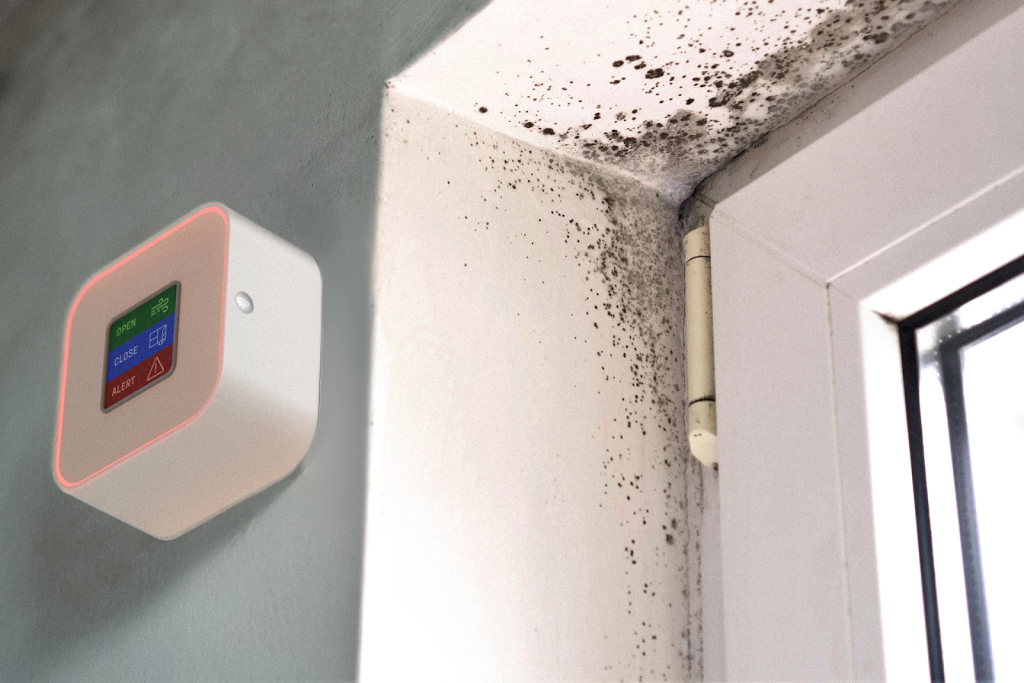
For years, social landlords have tried using basic temperature and humidity sensors to stay ahead of damp and mould. They’re inexpensive, easy to deploy and widely available — so on paper, they should help. In reality, they don’t. Housing teams tell us the same thing repeatedly: “The data doesn’t match what we see on the […]
Mould vs Damp: Understanding the Difference and the Danger
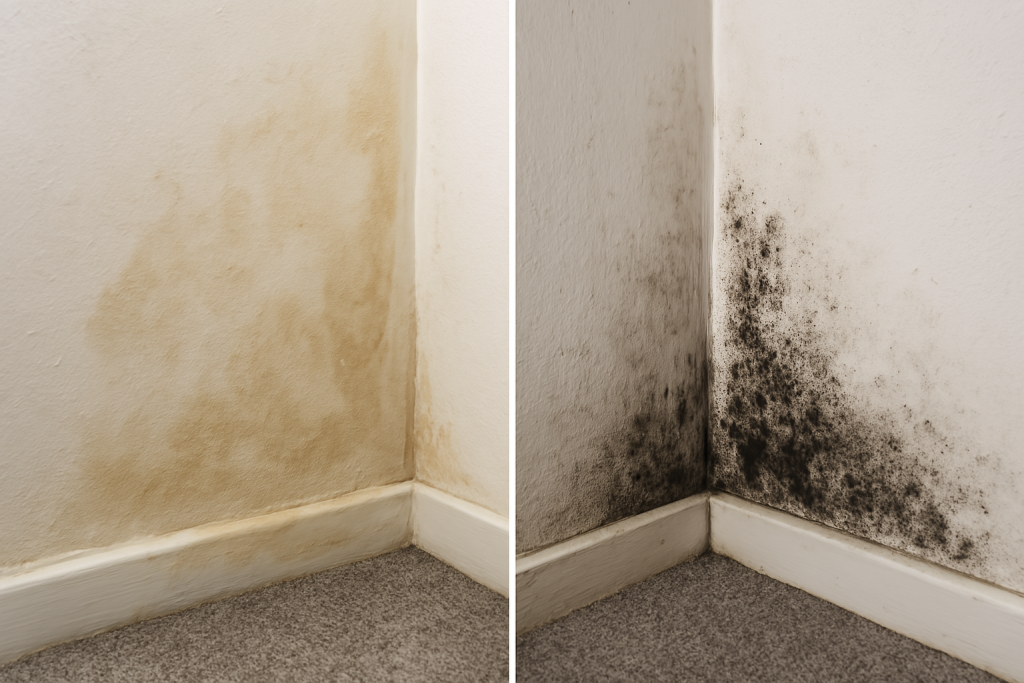
Written by Hannah Crooks, Biochemist “Mould” and “damp” are often mentioned together, but they are very different.Damp is unwanted moisture in a building. Mould is a living fungus that grows because unwanted moisture is present within a building. Essentially, Damp is the cause; mould is the consequence. Both can damage homes, but mould also damages […]
The Health Impacts of Damp and Mould in Homes

Written by Hannah Crooks, Biochemist Dampness and mould in homes are more than an aesthetic problem — they are a public-health concern. A large review by the World Health Organization found that people who live in damp or mouldy housing have markedly higher risks of respiratory symptoms and asthma. World Health Organization How mould affects […]
Why Mould Loves your Walls – and how plasterboard makes the perfect home
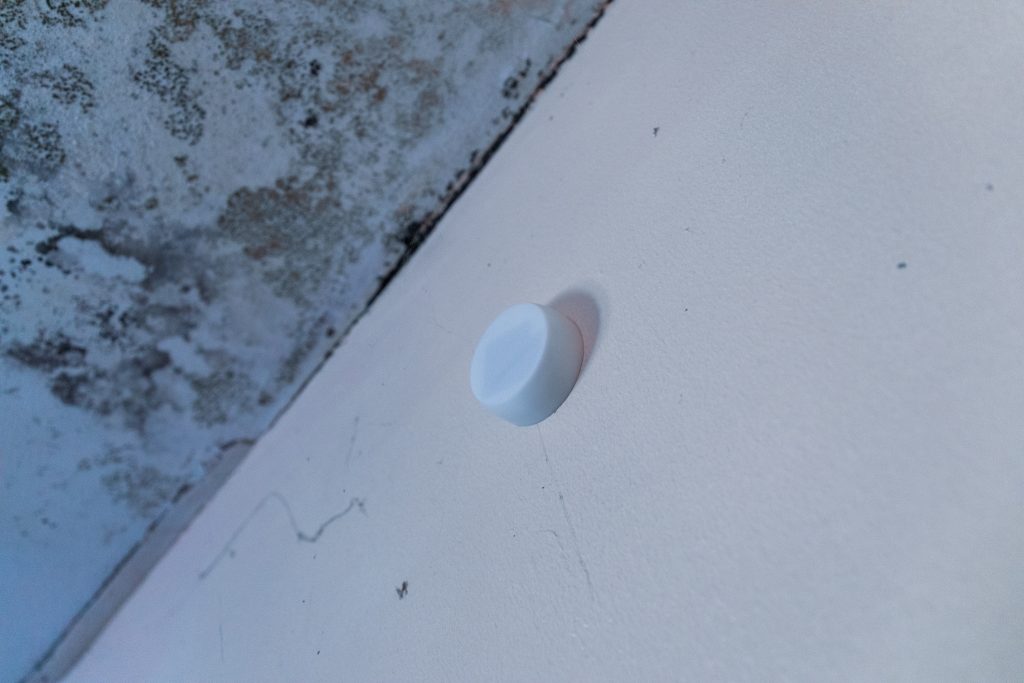
Written by Hannah Crooks, Biochemist You might think of mould as little more than an ugly stain creeping across the bathroom ceiling or a musty smell in the basement. But these seemingly harmless patches are alive, spreading silently through homes, offices and schools. What’s more, they don’t need much to take hold — just a […]