
Why “No Visible Mould” Does Not Always Mean No Risk

One of the most common phrases in damp and mould management is: “There was no visible mould during inspection.” On paper, that sounds reassuring.In reality, it often means very little. Because mould does not suddenly appear overnight. Before there are black spots on a wall, before there is a smell, before a tenant reports a problem, […]
Why a Home Can Look Fine at Midday and Still Be at Risk by Morning

One of the difficulties with damp and mould is that many properties are assessed during the calmest part of their daily cycle. A home can seem dry, stable, and broadly unproblematic in the middle of the day, while behaving very differently overnight. That matters because mould risk does not build only when someone is present […]
Why the Highest-Risk Room Is Often Not the One People Expect

When people think about damp and mould risk, they usually think about the bathroom first. That makes intuitive sense. Bathrooms are where steam is most visible, where condensation is easiest to notice, and where moisture-producing activity is built into the room’s purpose. But in many homes, the highest-risk space is not the bathroom at all. […]
Why Average Humidity Can Tell the Wrong Story

When damp and mould are discussed, humidity is often reduced to a single number. A property is described as having “high humidity” or “low humidity,” as though moisture behaves evenly throughout the home. But mould risk rarely develops in averages. It develops in specific places, under specific conditions, and often for very local reasons. That […]
Why Waiting for Visible Mould Is Already Too Late
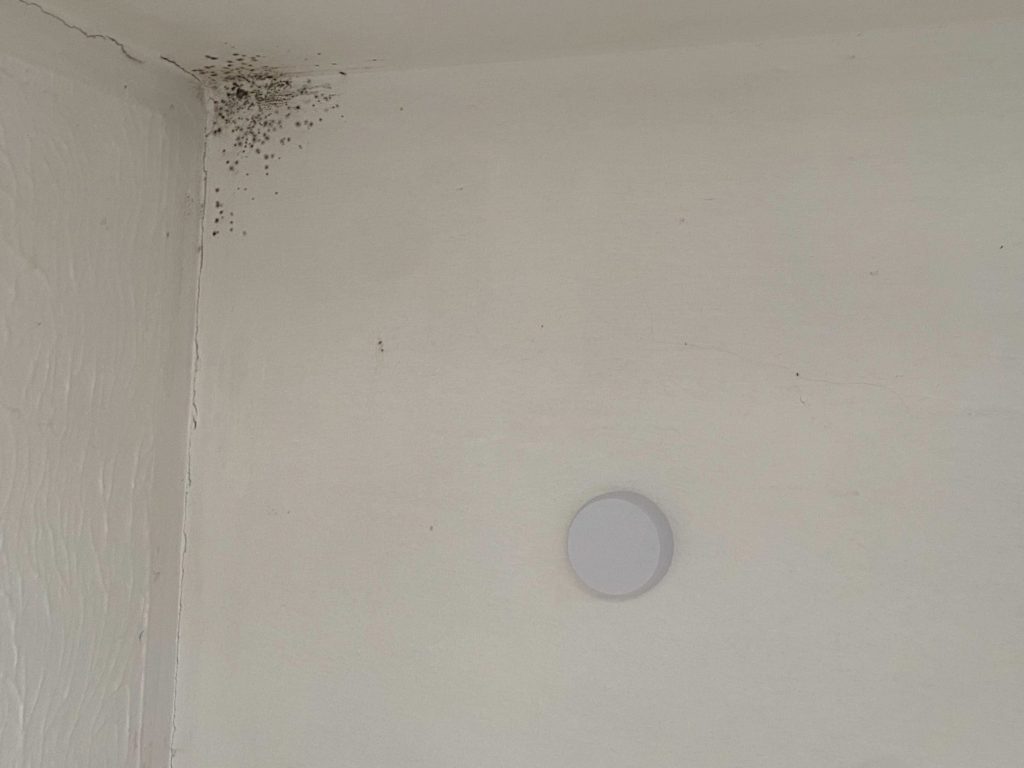
Visible mould is still too often treated as the moment a problem begins. In practice, it is usually the moment a longer process has finally become impossible to ignore. By the time mould appears on a wall, around a window, or in the corner of a room, the conditions that allowed it to develop have […]
The Economics of Predictive Damp and Mould Prevention in Social Housing

Damp and mould are usually discussed as a maintenance problem. In reality, they are an economic one. For most housing providers, the financial impact of mould only becomes visible once a complaint is raised. By that point the issue has already progressed beyond a simple environmental imbalance inside the home. What might have been manageable […]
How Predictive Sensing Makes Asset Management Easier

Asset management is not complicated in theory. You are trying to preserve value, extend lifespan, allocate capital sensibly, and avoid operational disruption. What makes it difficult is uncertainty — not knowing which properties need attention, when degradation is accelerating, or where risk is quietly building. Predictive sensing reduces that uncertainty. Seeing Conditions Before They Become […]
Why Temperature & Humidity Sensors Fail to Predict Damp & Mould
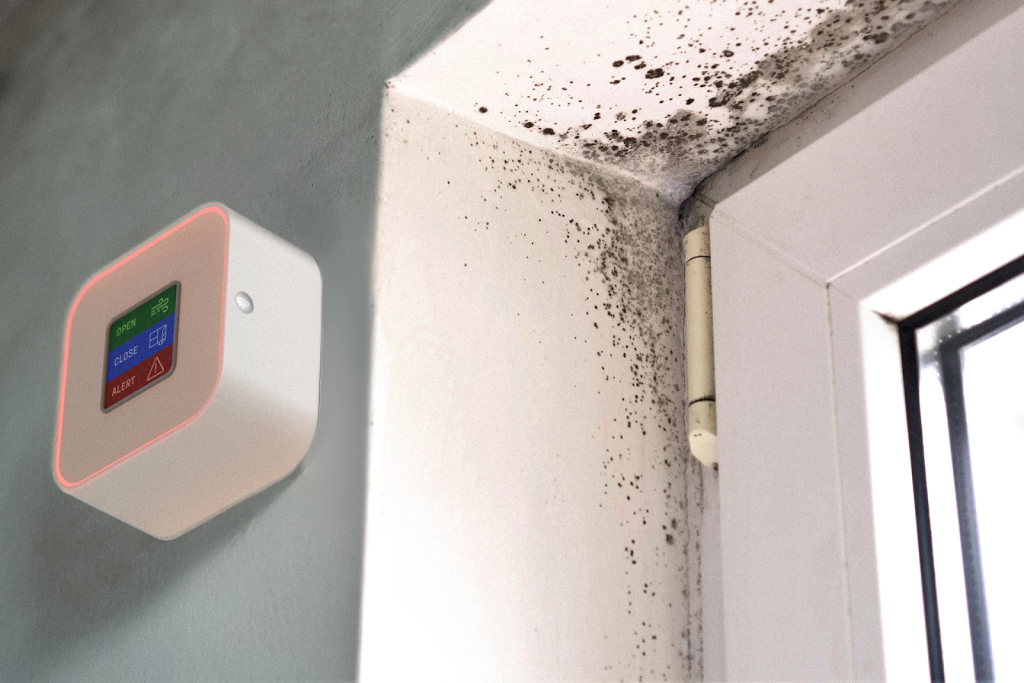
For years, social landlords have tried using basic temperature and humidity sensors to stay ahead of damp and mould. They’re inexpensive, easy to deploy and widely available — so on paper, they should help. In reality, they don’t. Housing teams tell us the same thing repeatedly: “The data doesn’t match what we see on the […]
The Health Impacts of Damp and Mould in Homes

Written by Hannah Crooks, Biochemist Dampness and mould in homes are more than an aesthetic problem — they are a public-health concern. A large review by the World Health Organization found that people who live in damp or mouldy housing have markedly higher risks of respiratory symptoms and asthma. World Health Organization How mould affects […]
Why Mould Loves your Walls – and how plasterboard makes the perfect home
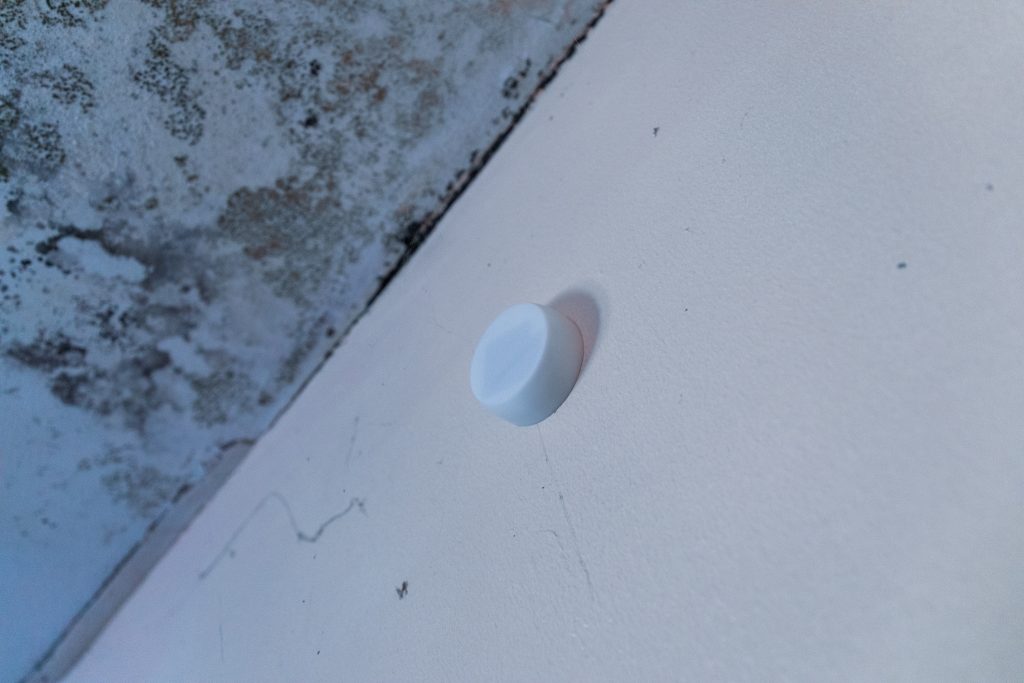
Written by Hannah Crooks, Biochemist You might think of mould as little more than an ugly stain creeping across the bathroom ceiling or a musty smell in the basement. But these seemingly harmless patches are alive, spreading silently through homes, offices and schools. What’s more, they don’t need much to take hold — just a […]