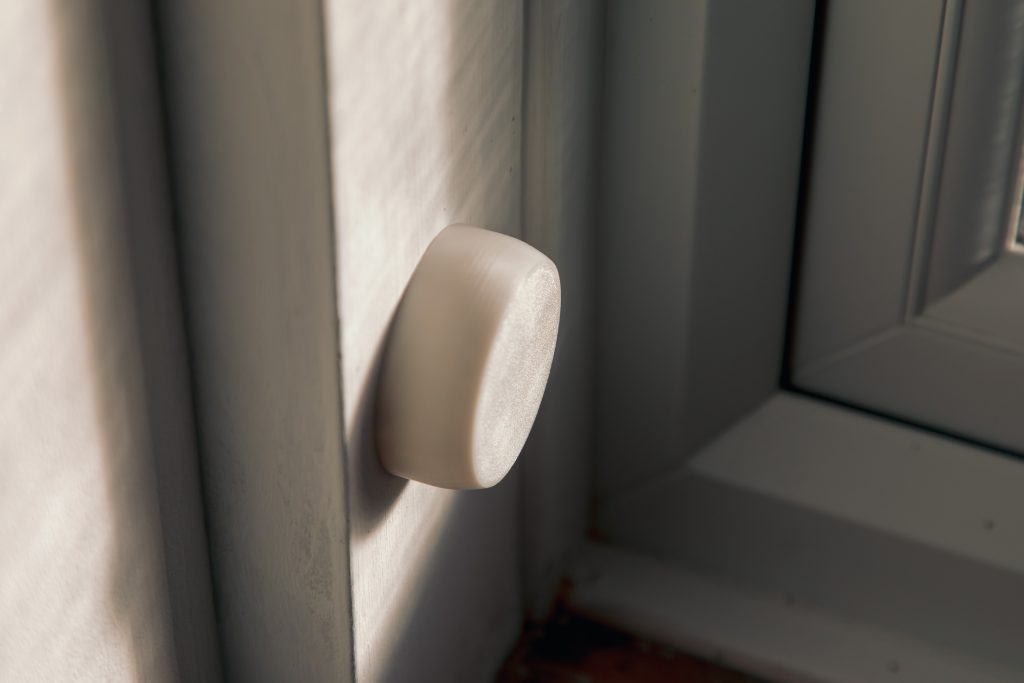
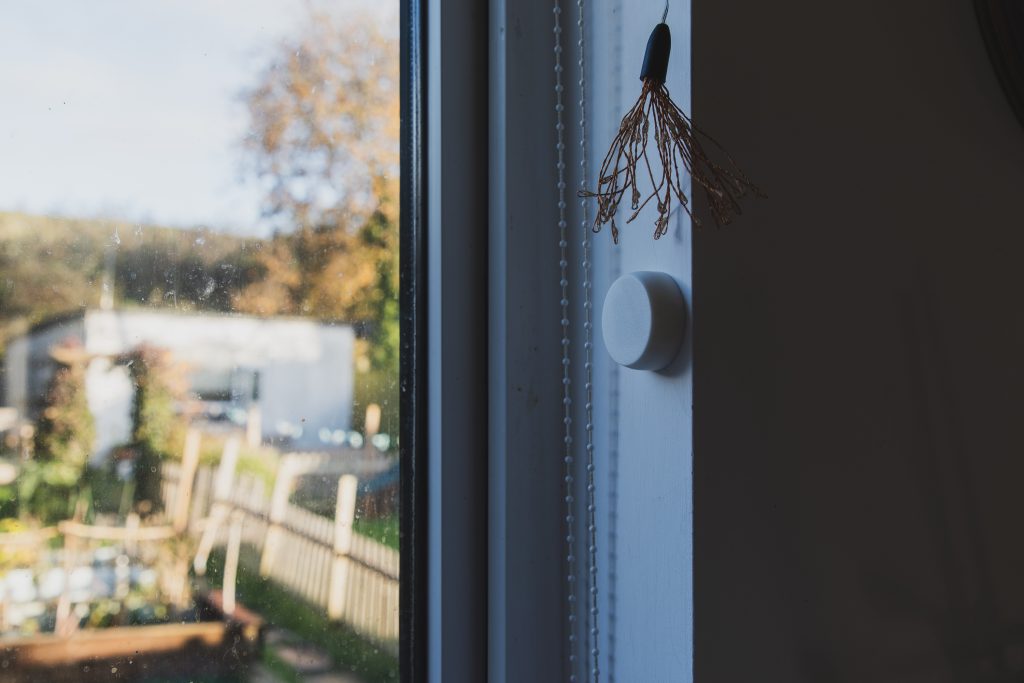
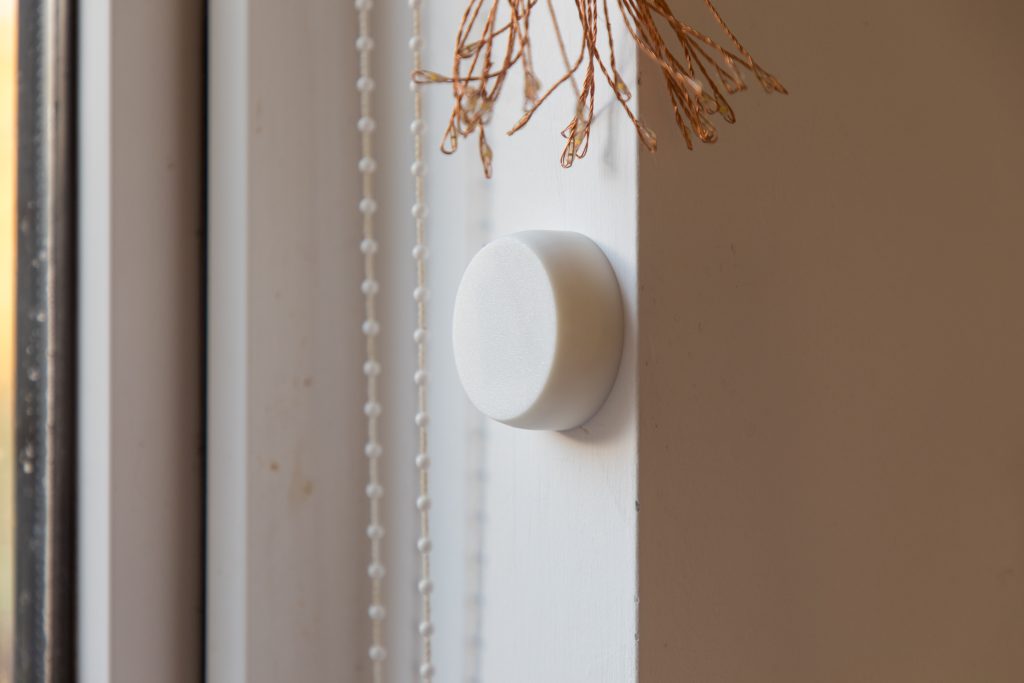
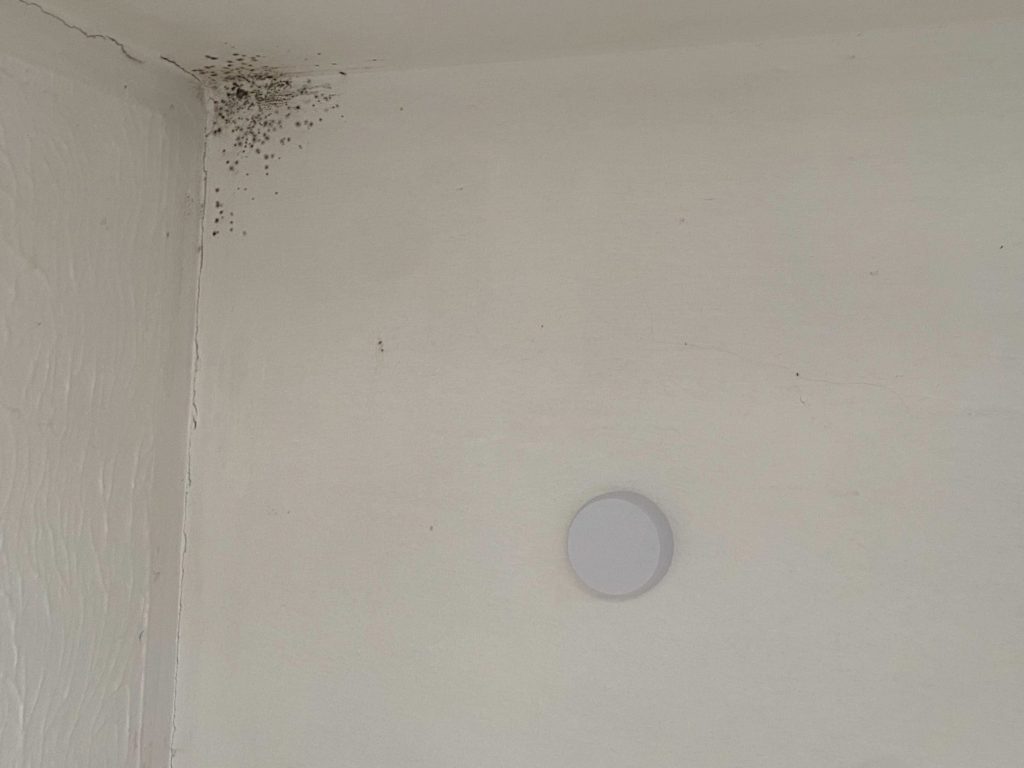
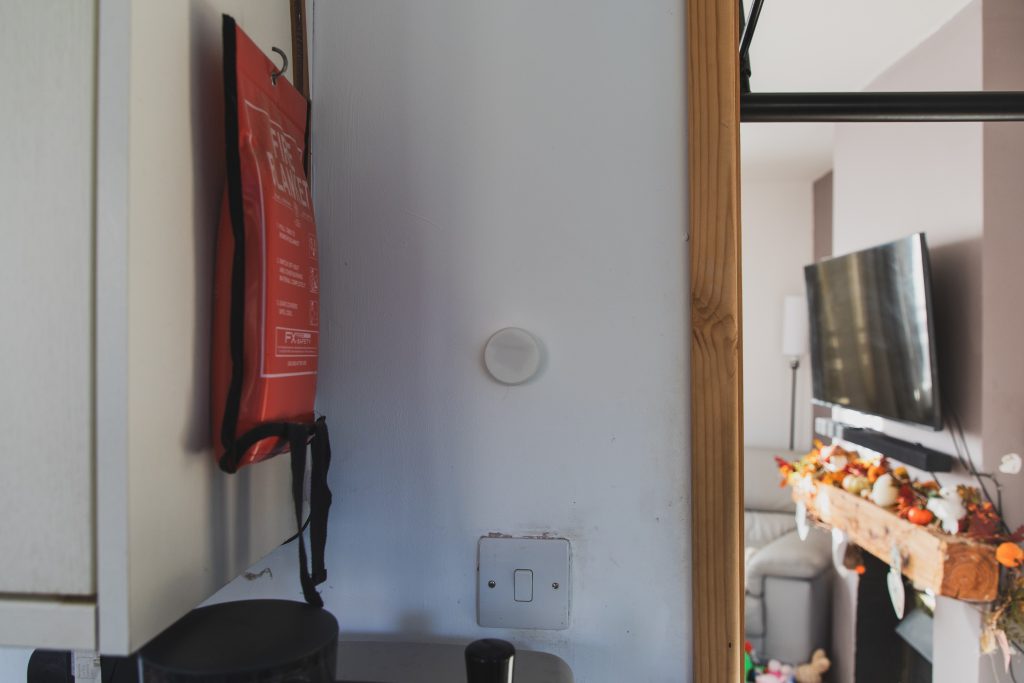
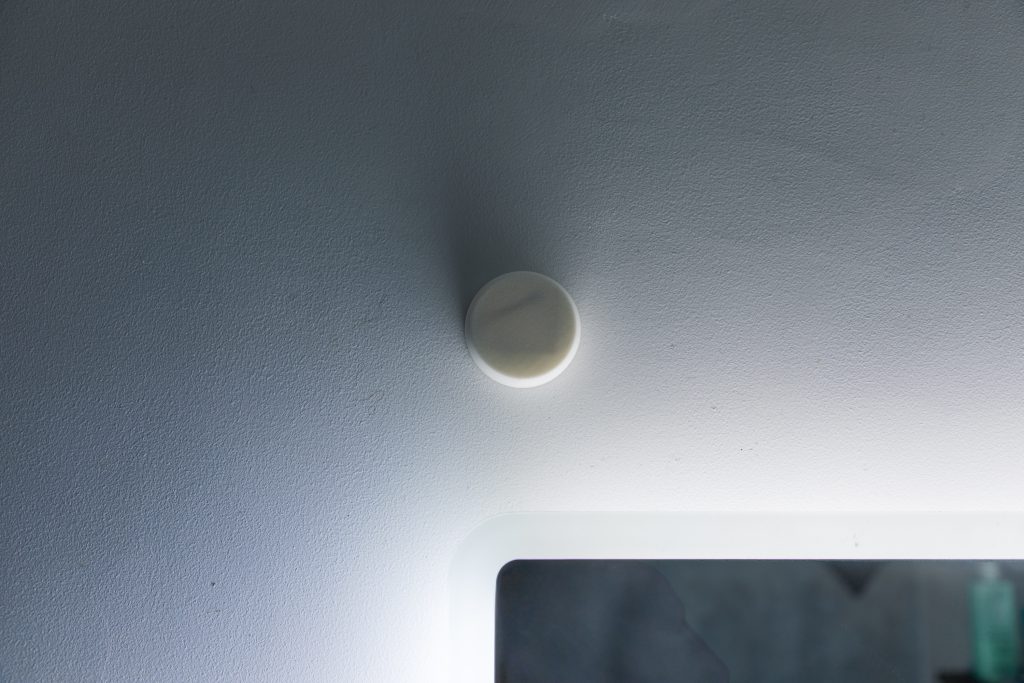
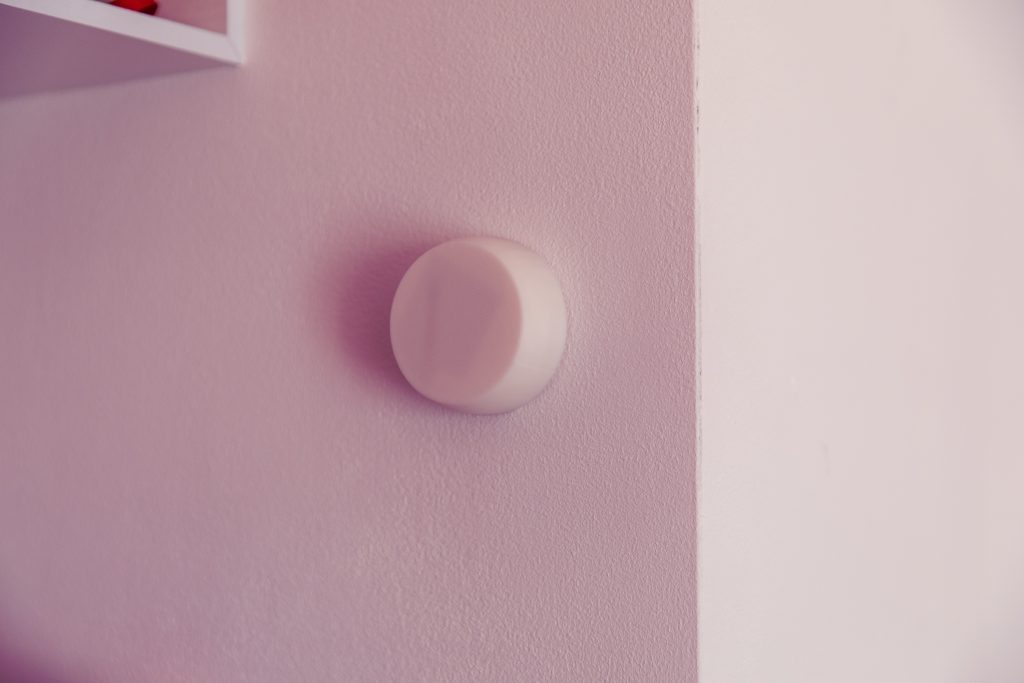
Looking to buy a mould sensor for your home? Shop AIRaware →
One of the most common phrases in damp and mould management is: “There was no visible mould during inspection.” On paper, that sounds reassuring.In reality,...
One of the difficulties with damp and mould is that many properties are assessed during the calmest part of their daily cycle. A home can...
When people think about damp and mould risk, they usually think about the bathroom first. That makes intuitive sense. Bathrooms are where steam is most...
When damp and mould are discussed, humidity is often reduced to a single number. A property is described as having “high humidity” or “low humidity,”...
Visible mould is still too often treated as the moment a problem begins. In practice, it is usually the moment a longer process has finally...
Damp and mould are usually discussed as a maintenance problem. In reality, they are an economic one. For most housing providers, the financial impact of...
Asset management is not complicated in theory. You are trying to preserve value, extend lifespan, allocate capital sensibly, and avoid operational disruption. What makes it...
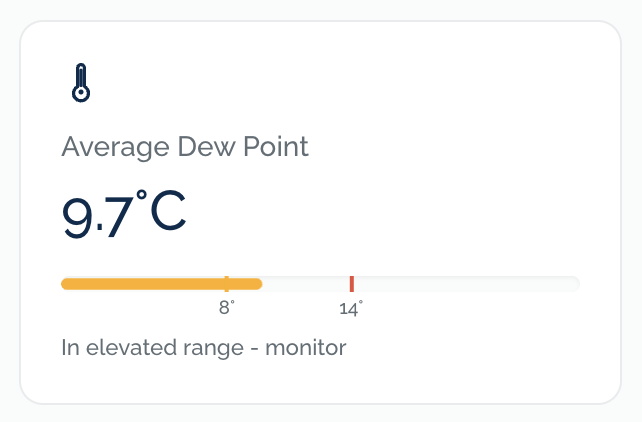
Condensation is governed by physics — specifically the relationship between temperature, humidity, and dew point. Understanding how these interact explains why mould often appears in...
In most housing systems, a damp and mould case is closed when the visible mould has been removed, the repair is complete, and a follow-up...
Emergency rehousing is one of the most disruptive and expensive outcomes in housing management. It affects tenants, operations teams, and already-strained housing stock. While many...
For most housing providers, mould is not a technical problem.It’s a governance problem. The underlying causes — moisture, cold surfaces, poor ventilation — are well...
Damp and mould management in social housing has historically been reactive. A tenant reports a problem, a case is logged, an inspection is booked, and...
We don’t spam! Read our privacy policy for more info.
Check your inbox or spam folder to confirm your subscription.